
Food Support
Food Support 101
The overview below outlines local food resources, who qualifies for support, and how our community food system works. Once you understand the process, see below for clear, concrete actions you can take to strengthen the system.
SNAP
Commonly known as ‘food stamps’ - SNAP eligibility in Cincinnati follows federal USDA rules and Ohio state guidelines.
Income Limits: Examples for 2024/2025 (approximate):
1 person → around $1,580/mo gross
3 people → around $2,700/mo gross
4 people → around $3,250/mo gross
Citizenship & Immigration rules:
Eligible:
U.S. citizens, Green card holders living in the U.S. for 5+ years, Refugees, asylees, some humanitarian immigration categories
NOT eligible (in most cases):
Recent immigrants, Visa holders, Undocumented individuals
BUT:
Children in mixed-status families can get SNAP even if parents cannot.
Work Requirements
Adults 18–52 without a disability and without children must work or participate in an approved work program at least 80 hours/month.
Hamilton County Job & Family Services (JFS) is the local government agency that processes SNAP—the Supplemental Nutrition Assistance Program (formerly “food stamps”) applications.
To get SNAP in Cincinnati, a person must:
Apply through Hamilton County JFS
Meet income requirements
Meet citizenship/immigration criteria
Meet work rules (if applicable)
Complete an interview
Submit required verification documents
Food Pantries
Most food pantries are stocked through four primary sources of food and supplies:
Drives: self-organized and usually seasonal from schools, churches, and businesses. This isn’t a steady or reliable source for most pantries.
Donations: from food rescue to direct business pick ups this provides time restricted additional items.
Freestore Foodbank: if a pantry meets their compliance regulations they are able to secure supplies in 2 ways:
USD Commodities: these are free to the pantry, but extremely limited
Wholesale Cost: Freestore Food Bank purchases supplies wholesale and then offers them for purchase to pantries. Depending on the size and budget of the pantry they often pay $10,000 to $50,000 per year.
Supplement: when critical items run low, pantry staff and volunteers go to the grocery store and purchase items directly with donations.
Qualifications: Each pantry has their own rules as to who qualifies, but on average pantries are neighborhood based, ie. if you life in that neighborhood you qualify.
Pantry staff and volunteers often share resources with other pantries to ensure that if one has a surplus they are able to give that to a pantry that may be low on resources.
School Programs
School meal programs in Cincinnati provide students with free or reduced-price breakfast and lunch, weekend food support, and community-backed lunch-debt relief to ensure children have reliable access to nutritious meals year-round.
School meals: Many Cincinnati schools offer free or reduced-price breakfast and lunch through federal nutrition programs. Schools that qualify for the Community Eligibility Provision (CEP) serve meals at no cost to all students
Weekend Backpack Programs: discreetly send students home with shelf-stable meals and snacks. These programs are powered by local nonprofits, volunteers, and community partners, ensuring kids have enough to eat through weekends and school breaks.
School Lunch Debt Relief: Some students still accumulate lunch debt due to sudden financial strain or eligibility gaps. Across the Cincinnati region, community groups and donors regularly step in to pay down outstanding lunch debt, ensuring no child is denied a meal or singled out because of a family’s inability to pay.
Community Meals
Community meals are regularly offered by churches, nonprofits, and advocacy groups across Cincinnati to provide reliable, supplemental food support for individuals and families experiencing food insecurity.
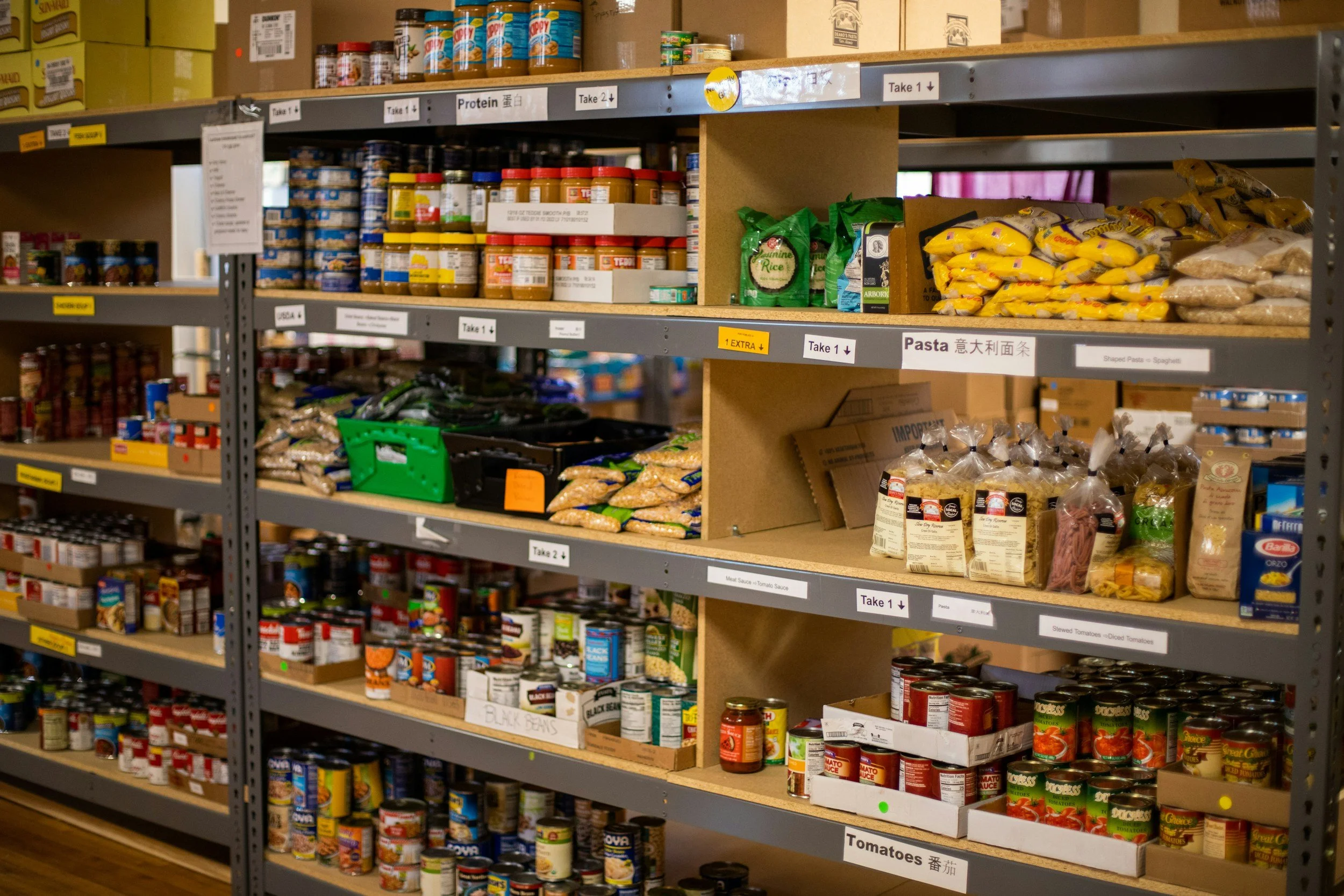
Plan a recurring food drive — one-time drives help, but regular, committed drives allow pantries to plan ahead and rely on a steady stream of essentials outside of just the holidays when everyone wants to help.
Ask your local pantry what they’re low on — then purchase those specific items, ensuring your contribution fills real, urgent gaps.
Fundraise to cover pantry food costs — many pantries must pay the Freestore Foodbank $10,000–$50,000 each year to stock their shelves; your fundraiser can directly offset those expenses.
Connect with your local school — ask whether any students have outstanding lunch debt you can help pay off or whether you can support their weekend backpack program.